Sunday, 30 March 2014

Task 20: Elements of game technology, part three: interaction design.

Games are inevitably complex entities demanding constantly changing inputs and responses from the player. Given that Call of Duty is more demanding than Word, how do the designers enable such complex interactions relatively ‘intuitively’? Are these interactions in fact intuitive at all?

Game engines can handle complex physics simulations, but have traditionally been hindered by the limitations of screen/keyboard/mouse interaction. What effect could the rise of the Wii and the new generation of motion controllers have on game design? What about the impact of 3D technology?’


In a traditional solo video game you're actually interacting with the designer.
In a newer video game, you're interacting with other people through situations devised by the designer.

Interacting with the designer:  (Often called PvE, Player vs. Environment)
    Puzzles 
    Talking with NPCs
    Collecting information
    Avoiding obstacles and hazards (which may behave sentiently (with intelligence) or not)
        Stealth
        Con them (bluffing)
        Blast/smash them
        Clever other methods (drive cattle in front of you)
        Dodge/avoid
    (Cutscenes–but no interactivity)

Interacting with other people:
    Negotiation (persuade or dissuade)
    Direct Conflict (PvP, Player vs. Player)
        "Beating them to the punch" (in races, collection of objects, as well as in attacking)
        Kill-crush-destroy opposing entities
        Physical contests
    Cooperation (typical of group RPGs)
    Trading
    Bidding against/auctioning
    Drafting (selecting the best set of useful items, getting something before someone else does)
    Anticipation of what someone else will do (could be tied to “beating them to the punch”)  
    "Bragging rights"
    Telling bad jokes, charades, drawing pictures, and many other kinds of party game activities
    Acting/pretending (lying) (bluffing)
    Being annoying  
    Indirect interaction (you cause forces other than yours to do something to harm another player's)

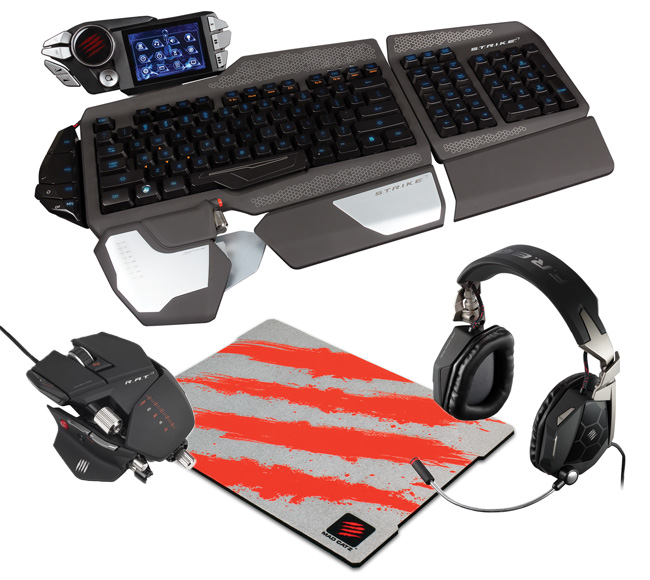
As shown there are numerous way in which a player can interact indirectly with the designer and ultimately the game enabling these interactions so that the player can experience all of the above in an intuitive manor takes a great deal of time and effort to produce. Designers can choose to go don't he already well established routes like the Xbox and PlayStation controllers we know today or the humble keyboard and mouse, but with more and more small time developers taking the next step in these some what usually overlooked fields, more and more developers are beginning to take note and to want to be part of this new movement. Companies like Oculus and Sixsense creating prototypes and now fully fledged consumer products that have inspired many to re think the way we can interact with games.
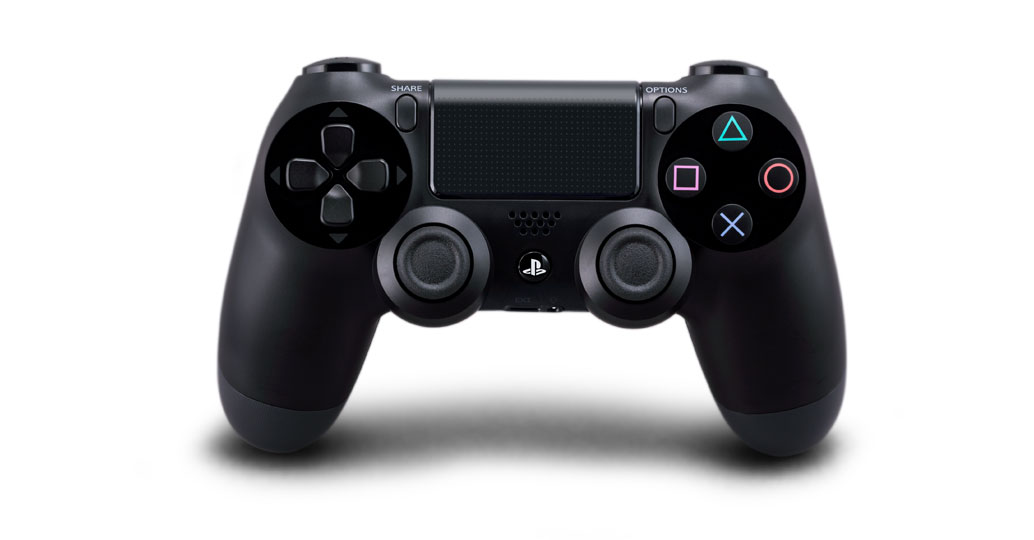
Oculus are a company devoted to the pursuit of creating the worlds best VR –virtual reality- device that can place you quite literally so far as your vision and hearing is concerned, into the game world, no longer will you be limited by the size of your computer screen, the Oculus Rift lets players intuitively move in three dimensional space. being able to lean and look in every which direction opens up dramatic new possibilities for the games industry and developers.


Sixsense is also working to push the boundaries of player, game interaction, creating products like the Razer Hydra –which also identify the point that bigger companies do want to help make this a reality with names like Razer taking ideas like this on board- which can also be used in conjunction with the oculus to give an almost full immersive and intuitive experience where the player is free to look and move in 3D space.

Now with both products there still is the limitation as to actual player movement, by which I mean walking or running. But once again another company has that covered.
The Virtuix Omni is the first –when combined with the oculus rift- virtual reality interface for moving freely and naturally in your favorite game.
The device allows for complete immersion while still creating an intuitive environment for the player.

Applications of natural movement in virtual reality stretch far beyond gaming: training and simulation, fitness, virtual tourism, virtual tradeshows and events, meet-ups and multi-person adventures, virtual workplaces, museums, VR architecture, VR concerts… The possibilities for all of the mentioned above are limitless.

External References From:

Saturday, 29 March 2014

Task 19: Elements of Game Technology, part two: sound for games

 ‘How is sound used in games? Who are some of the key composers working in games? What are your key sonic moments in your gaming history? And is it true that the Nile Rodgers/Bernard Edwards composition 'Good Times' is the most influential recording made in the 20th Century?.’


Sound is used in games much the same way as in other forms of visual media, to provoke an emotional response from the viewer. Sound in games is now a well established part of developing process and can be used to really set the game apart and create a globally recognisable appearance.
Franchises such as Halo, Mario and Sonic all have unique sounds/scores that people from all walks of life can associate to the games.

Different types of sounds are used in games relative to limitations such as production costs and they’re overall purposes. Adaptive sounds and music are used to indicate to the player that something is happening or about to happen, changes in tempo in stealth games can indicate that the player has been spotted, where as in a first person shooter the changes may signal that there is an approaching fight.

Some games use current musical influences to engage players where the game is not heavily story driven.

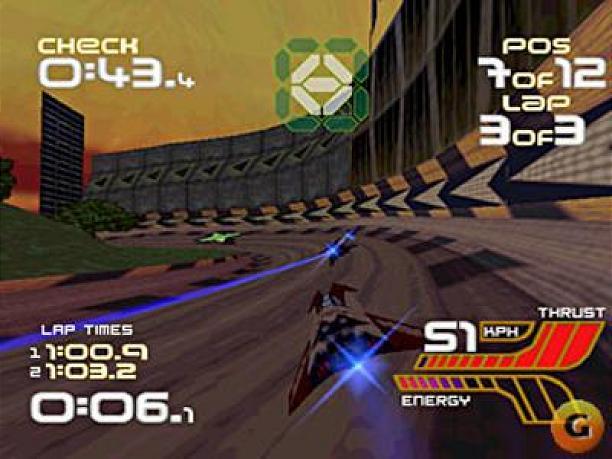
Wipeout 2097 is one of the first examples of in-game music that was composed by well-known artists. As a racing game, Wipeout has no story to tell, but the developers were still keen to build an immersive setting: the fictional branding created by The Designers Republic perfectly evoked a uniquely 90s vision of the future, and the tracks laid on by The Chemical Brothers, The Prodigy and Orbital lifted this clubland aesthetic to new heights.

The composers behind some of the most iconic scores include: Jesper Kyd, with his notable scores including: Freedom Fighters, Hitman series and Assassin's Creed II. 

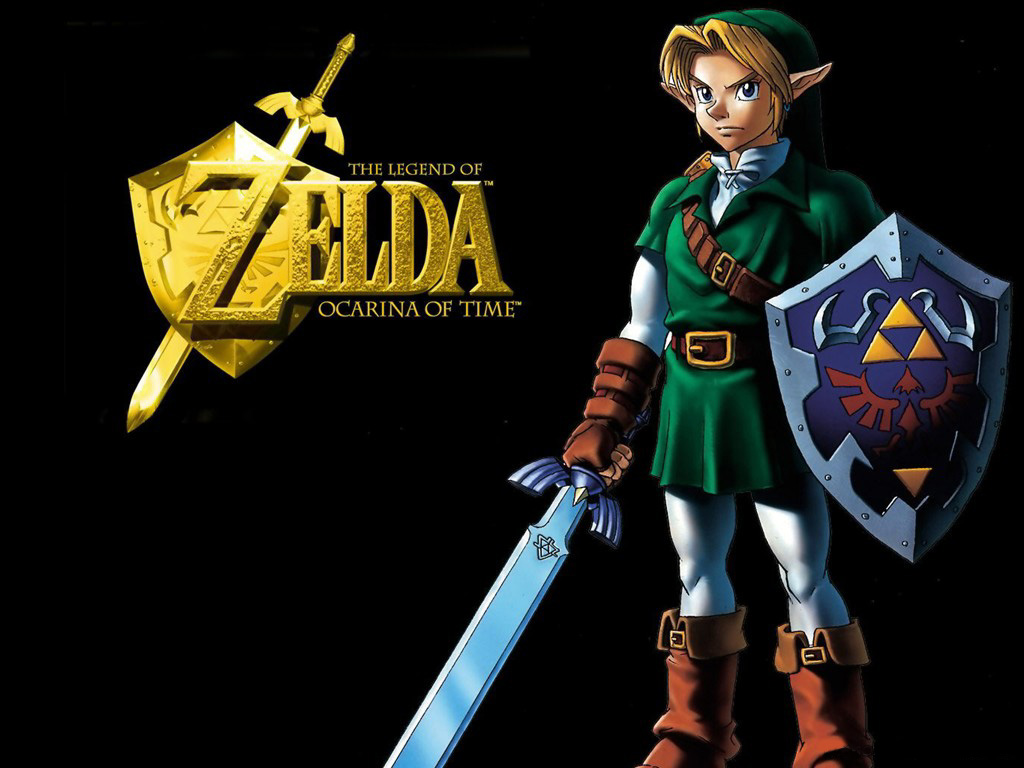
Koji Kondo has created some of the most well known scores for games, with his resume made up of:The Legend of Zelda: Ocarina of Time, Super Mario Bros., Super Mario 64, Super Mario Galaxy 2, Star Fox 64. 

Jeremy Soule is also up there will such titles as: Skyrim, Guild Wars 2, Knights of the Old Republic and Word of Warcraft: Mists of Pandaria.


Personally, drawing on my experiences with sounds and scores of games the few that have really made an impact, and the ones that I can recognise after a few bars are ones such as the Halo theme created by Martin O'Donnel , the Civilization 4 theme created by Christopher Tin, and being a 90’s child the Super Mario theme –created by the already mentioned Koji Kondo- has to make an appearance in there.


Finally I would say that Good Times is one of the most influential songs of  it’s period, with it claiming new heights of popularity and being sampled countless times, however  I don’t think it can be considered the most influential song made in the 20th century, musical popularity changes almost daily and to claim a song which supposedly denounces all others over such a long period of time is just not factual.

External References From:

Friday, 10 January 2014

Aftermath

Finally after working throughout the holidays so that I could resubmit work while trying to balance my 3D work on the mortal engines project It's finally over!

I can now safely breath a sigh of relief. Overall I was pleased with the work that I’ve redone and have a few new ideas and ways of approaching work for visual design after talking with my tutor, as with the 2D side of the course I can bend –to a certain degree- the projects to suit your own strengths and not basing them around my weaknesses like previously.
In the future I plan to base the project in something I find much more suited to my interests like technical drawing and de-constructive drawing, really working out how pieces fit together and move in unison.


The mortal engines project came out ok but the process of starting it very late on into the Christmas break because I focused on the work that needed to be redone was nothing but stress, I feel a huge weight lifted now that it’s over. On the lighter side though, I got the time to use some very impressive software like Zbrush, Marvellous Designer and Quixel’s Ddo and Ndo2. I really thoroughly enjoyed using Quixel and Pixologic’s programs, they are easy to pick up and learn and the tools that they bring to the table are very powerful indeed.


And finally, I will be taking a well deserved day or two off now because I have been given beta access to the Elder Scrolls Online for this weekend.


Because they really need people to thoroughly test the game. :D

Monday, 16 December 2013

Christmas Update.

The Christmas break is here and I’ve been reflecting on my formative feedback and the term just passed.

I had a rough start at the beginning of this term, with a few mini crisis's about what I wanted to do with my life.
The deviation from game art at the start was mainly due to the fact that 2 weeks prior to starting back I had my back two molars removed and was on the absolute limit of painkillers that I could take. The withdrawal from being on these for so long caused some adverse side-effects which hit me for a number of weeks into the new term and caused a big impact on my work for that time, it was sloppy and not acceptable and it has shown in my formative assessment.

Over the break I have been told to redo most of my Visual design work thumbnails, finals and such, and no surprise, but I’m actually happy with this, I started the other day and already see massive improvements and what’s more I’m enjoying the work.

In Game production I faired much better, because of the longer time scale projects the period at the start had much less of an impact in 3D. So my work reflected this.


My only qualm about 3D was the fact in the blitz building project I did not assess the proper technical requirements for the brief, namely the tri budget. The surrounding buildings were at an average of 10-15k tri’s where as mine fell short -with the building showing this- at 6-7k tri’s. I really need to be very careful with this as faults like this would be unacceptable in industry, every asset has limitations to it’s tri count for a reason, and it is paramount that artists stick to them.

In lue of work that i have yet to screenshot/take photos of i will leave you with this meme:

Monday, 2 December 2013

Task 18: Elements of Game Technology, part one: game engines


‘Research the different kinds of engine, their advantages and disadvantages, market penetration, usability, technology features and what games they support.’

There are many different game engines for different purposes, platforms, genre, gameplay style and you cannot asses pros and cons of any until you are decided on those things.
Once you are, however you can begin to narrow down the choices. The main deciding factor will ultimately be does the engine give you tools that you will need/ use, in the case of the Frostbite 2 engine, well yes it does, but for more a shooter biased stand point. The engine focuses more on achieving fluid animations and physics along side map destructibility and map scale.

Where as engines like Unreal engine 3 and CryENGINE 3 are geared more towards advanced tessellation, minute details and displacement mapping.
(These are very limited overviews, each engine has it’s own focus, tools and unique capabilities.)


A small list of more popular engines:
FrostBite
Unreal
Unity
CryENGINE
Source
Blender
RPG Maker
BigWorld

Now usability, I would say that bottles down to the big three engines that have been made available for free download: Unreal Engine; Cry Engine; Unity engine. Now I cannot speak from personal experience about all three however I can about UDK. The Unreal Engine 3 is a complete game development framework for next-generation consoles, providing a vast array of core technologies, content creation tools, and support infrastructure required by top game developers. From personal experience it is more or less like learning 3Ds max, time consuming, daunting at first, however quick to pick up and remarkably powerful tools when you know how to use them.

Unity is a multiplatform game development tool, designed from the start to ease creation. A fully integrated professional application, Unity just happens to contain the most powerful engine this side of a million dollars.

Unity supports a variety of platforms using a single editor. It supports advanced visual effects with shader material support.


Cry engine is Next-Gen ready with scalable computation and graphics technologies. CryENGINE 3 is the only game engine that provides multi-award winning graphics, state-of-the art lighting, physics and AI, out of the box.

Rather than me lengthily write the features I thought these videos would better explain:
Features of Unreal engine4:
Features of CryENGINE3:
Features of Unity4:

Finally I will list the most recognisable games made from these engines:
Unreal:
Batman Arkham City
BioShock Infinite
Dishonored
Borderlands 2
Gears of War Series

Cry Engine:
Sniper Ghost Warrior 2
Far Cry 3
Crysis series
Undead Labs - Class 3

Unity:
Kerbal Space Program
Call of Duty®: Strike Team
Deus Ex: The Fall
Guns of Icarus Online

External References From:
Task 16: Elements of game design, part eight: documentation


For this exercise, I’d like you to look at producing an outline and a technical
specification for a game.

Outline:
To create a third person, stylised fantasy action game with a linear storyline aimed towards a younger audience (7+).
The game will release across the console platforms of last gen (xbox 360 & PS3) and next gen (xbox one & PS4) hardware. It will feature 6 different ‘heroes’ or varying attributes and abilities that can be leveled along side 4 unlockable heroes through game progression. The main gameplay style will be one of a dungeon crawler in gameplay style, however inside a bright fantasy setting.


Software will include:
3ds max
Zbrush
ndo2
dDo.
Xnormal.

Aims:
Ability to produce, vibrant, stimulating environments for the younger audience.
To create an engaging, interesting story capable of being followed by the age group.
Use asset and environment budgets adequately and effectively for the best results, i.e.: mesh density, topology, clever use of maps for added detail, damage, wear and tare.
Make use of varying, interesting sound design throughout the game, varying area to area, don’t want the audience to tire of the level sound five minute in.
Imaginative upgrade/ perk system, no limits here, explosive radio controlled water bombs, fire auroras etc.

Technical specifications:

Heroes (main playable characters):
<12k Poly limit
LOD’s for 3rd person gameplay, battlegrounds and character/ upgrade selection.
<1024 main body diffuse, normal, specular, gloss (Max). (optional emissive map)
<256/ 512 added accessories.

Effective use of texture budget.

NPC:
<4k Poly limit
LOD’s for 3rd person gameplay and battlegrounds.
<1024 main body diffuse, normal, specular gloss (Max). (optional emissive map)
Effective use of texture budget.

Vehicles:
<10k Poly limit
LOD’s for 3rd person gameplay and battlegrounds.
<1024 main body diffuse, normal, specular, gloss (Max). (optional emissive map)
<256/ 512 added accessories/ decals.
Effective use of texture budget.

Environments:
<400k Poly Limit
LOD’s for displacement from player, 2 iterations.
<512 tillable textures, normal, specular, gloss. 1024 if absolutely necessary.
Decals and floating planes for breaking up textures.
Effective use of texture budget.

Props/ Scenery Objects:
<3k Poly limit
LOD’s for 3rd person gameplay and battlegrounds.
<512 main body diffuse, normal, specular gloss (Max). (optional emissive map)
Effective use of texture budget.

External References From: